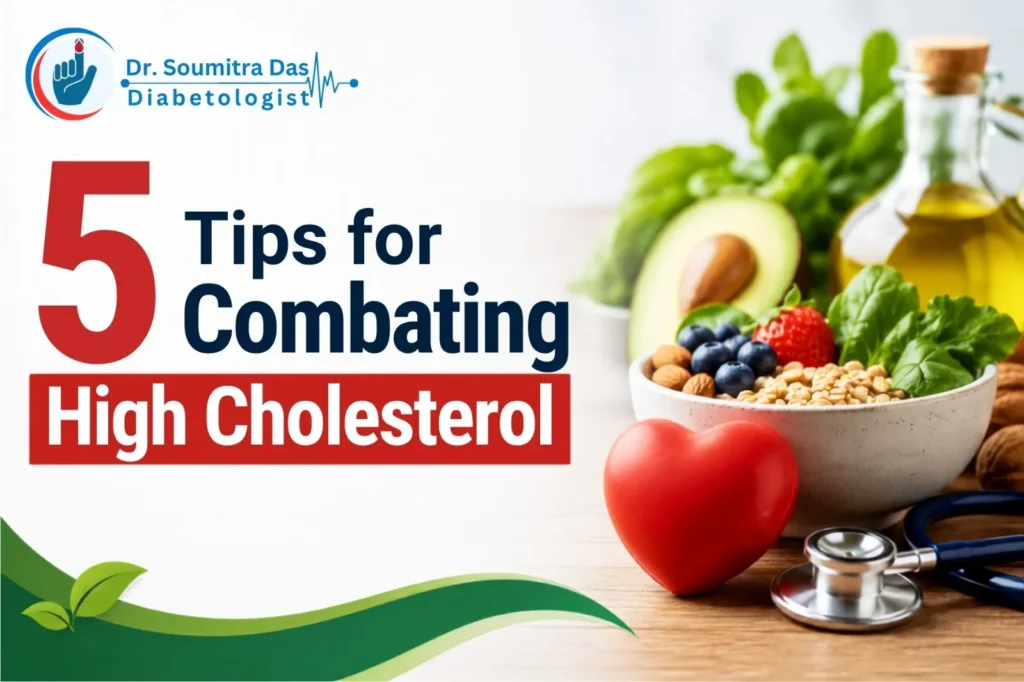
5 Tips for Combating High Cholesterol
Hello Reader!
Welcome to the blog page of Dr. Soumitra Das, one of the Best Diabetologist in Kolkata.
High cholesterol is one of the leading risk factors for heart disease, stroke, and other cardiovascular complications. Often referred to as a “silent condition,” high cholesterol may not show any symptoms until it leads to serious health problems. This is why taking proactive steps toward combating High Cholesterol is essential for maintaining long-term health and well-being.
As the Best Diabetologist in Kolkata, I frequently encounter patients who struggle with both diabetes and elevated cholesterol levels. Since these conditions often coexist, managing cholesterol effectively can significantly reduce the risk of heart-related complications.
Here are five practical and effective tips for combating High Cholesterol and improving your overall cardiovascular health.

1. Adopt a Heart-Healthy Diet
One of the most effective strategies for combating High Cholesterol is making healthier food choices. Your diet plays a crucial role in determining your cholesterol levels.
Focus on:
- Fresh fruits and vegetables
- Whole grains such as oats and brown rice
- Nuts and seeds
- Lean proteins like fish and skinless poultry
- Healthy fats from olive oil and avocados
Avoid:
- Fried foods
- Processed snacks
- Excessive red meat
- Foods high in trans fats and saturated fats
A balanced diet not only helps in combating High Cholesterol but also supports better blood sugar control, especially for diabetic patients.
2. Stay Physically Active
Regular exercise can significantly improve your cholesterol profile by increasing HDL (good cholesterol) and lowering LDL (bad cholesterol).
Recommended activities include:
- Brisk walking
- Cycling
- Swimming
- Jogging
- Yoga
Aim for at least 150 minutes of moderate-intensity exercise per week.
As the Best Diabetologist in Kolkata, I advise my patients to incorporate physical activity into their daily routine. Regular exercise is one of the most reliable methods for combating High Cholesterol naturally.

3. Maintain a Healthy Weight
Being overweight can contribute to elevated cholesterol levels and increase the risk of cardiovascular disease.
Even a modest weight loss of 5–10% of your body weight can help:
- Lower LDL cholesterol
- Reduce triglycerides
- Improve insulin sensitivity
- Enhance heart health
For individuals with diabetes, maintaining a healthy weight is particularly important. Successful weight management is a key component of combating High Cholesterol and preventing future health complications.
4. Avoid Smoking and Limit Alcohol Consumption
Smoking damages blood vessels and lowers HDL cholesterol, making it harder for your body to manage cholesterol effectively.
Similarly, excessive alcohol consumption can:
- Raise triglyceride levels
- Increase calorie intake
- Contribute to weight gain
Quitting smoking and moderating alcohol intake are powerful lifestyle changes that support combating High Cholesterol and improving overall cardiovascular health.
Patients often notice significant improvements in their lipid profiles after making these adjustments under professional guidance from the Best Diabetologist in Kolkata.
5. Monitor Your Cholesterol and Follow Medical Advice
Regular health check-ups are essential for detecting and managing high cholesterol early.
Important tests include:
- Total cholesterol
- LDL cholesterol
- HDL cholesterol
- Triglycerides
- Blood sugar levels
If lifestyle changes alone are insufficient, your doctor may recommend cholesterol-lowering medications. Following prescribed treatment plans consistently is crucial for combating High Cholesterol and reducing the risk of heart disease.
As the Best Diabetologist in Kolkata, I emphasize the importance of routine monitoring and personalized treatment plans to help patients achieve optimal cholesterol levels and better overall health.

Can Stress Affect Cholesterol Levels?
Stress is an unavoidable part of life, but when it becomes chronic, it can have a significant impact on overall health, including cholesterol levels. While stress itself may not directly cause high cholesterol, it often leads to unhealthy lifestyle habits that can contribute to elevated LDL (bad cholesterol) and triglyceride levels.
People experiencing prolonged stress may be more likely to overeat, choose unhealthy foods, smoke, consume excess alcohol, or become physically inactive. These behaviors can increase cholesterol levels and raise the risk of heart disease over time. Stress can also disrupt sleep patterns, which may further affect metabolism and cardiovascular health.
Additionally, chronic stress triggers the release of hormones such as cortisol and adrenaline. Elevated levels of these stress hormones may influence the body’s ability to regulate fats and sugars, potentially contributing to an unhealthy cholesterol profile.
Managing stress through regular exercise, meditation, yoga, adequate sleep, and relaxation techniques can help support heart health and encourage healthier lifestyle choices. By addressing stress effectively, individuals can reduce their risk of developing high cholesterol and improve their overall well-being.
Early Warning Signs and Risk Factors of High Cholesterol
High cholesterol is often called a “silent condition” because it usually does not cause noticeable symptoms in its early stages. Many people only discover they have high cholesterol during routine blood tests or after experiencing complications such as heart disease. This makes regular health screenings essential for early detection and effective management.
Several factors can increase the risk of developing high cholesterol. Obesity is one of the most common contributors, as excess body weight can raise LDL (bad cholesterol) levels and lower HDL (good cholesterol). Diabetes is another significant risk factor, as uncontrolled blood sugar levels can negatively affect cholesterol balance and increase cardiovascular risk.
Family history also plays an important role. Individuals with a genetic predisposition to high cholesterol may develop the condition even if they maintain a relatively healthy lifestyle. Additionally, a sedentary lifestyle with little physical activity can contribute to unhealthy cholesterol levels by reducing the body’s ability to regulate fats effectively.
Smoking is another major risk factor, as it damages blood vessels and lowers good cholesterol levels. Similarly, unhealthy eating habits, including frequent consumption of fried foods, processed snacks, sugary beverages, and foods high in saturated and trans fats, can significantly increase cholesterol levels over time.
Also Read: How to Research for the Best Diabetologist in Kolkata?

Importance of Regular Lipid Profile Testing
A lipid profile test is a simple blood test that measures important components of your cholesterol levels, including total cholesterol, LDL (bad cholesterol), HDL (good cholesterol), and triglycerides. Regular lipid profile testing is essential because high cholesterol often develops without any noticeable symptoms, making it difficult to detect without screening.
Most adults should have their cholesterol checked at least once every 4–6 years starting from their early twenties. However, individuals with risk factors such as diabetes, obesity, high blood pressure, smoking, a family history of heart disease, or existing cardiovascular conditions may require more frequent testing as recommended by their doctor.
Routine lipid profile screening helps identify unhealthy cholesterol levels before they lead to serious complications such as heart attacks, strokes, or blocked arteries. Early detection allows individuals to make timely lifestyle changes, improve their diet, increase physical activity, and, when necessary, begin medical treatment to control cholesterol levels.
The Role of Fiber in Cholesterol Management
Dietary fiber plays a vital role in maintaining healthy cholesterol levels and supporting overall heart health. Among the different types of fiber, soluble fiber is particularly effective in helping reduce LDL (bad cholesterol), which is a major contributor to heart disease and stroke.
Soluble fiber dissolves in water to form a gel-like substance in the digestive tract. This gel binds to cholesterol-rich bile acids and helps remove them from the body through digestion. As a result, the liver uses excess cholesterol from the bloodstream to produce more bile acids, leading to lower LDL cholesterol levels over time.
Foods rich in soluble fiber include oats, barley, beans, lentils, apples, citrus fruits, flaxseeds, and psyllium husk. Incorporating these foods into your daily diet can help improve cholesterol levels naturally while also promoting better digestion and blood sugar control.
In addition to lowering LDL cholesterol, a high-fiber diet supports heart health by helping maintain a healthy weight, reducing inflammation, and improving overall metabolic health. For individuals with diabetes or cardiovascular risk factors, increasing soluble fiber intake can be an important part of a comprehensive cholesterol management plan.
Foods That Naturally Help Lower Cholesterol
A healthy diet is one of the most effective ways to manage cholesterol levels and support heart health. Certain foods are particularly beneficial because they help reduce LDL (bad cholesterol) while promoting overall cardiovascular wellness.
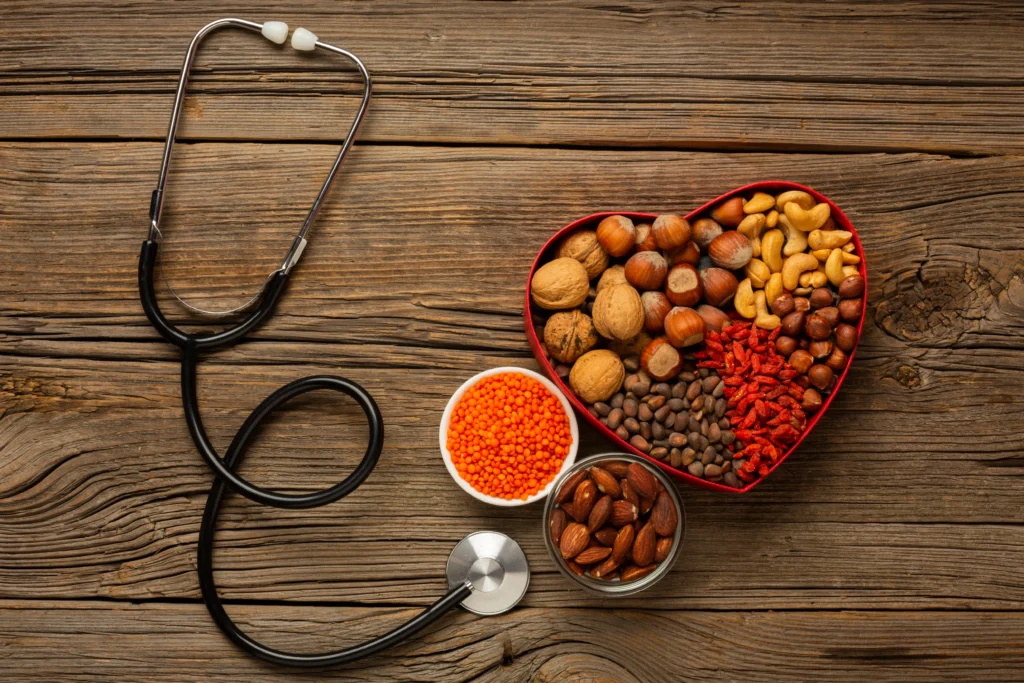
Oats and barley are excellent sources of soluble fiber, which helps remove excess cholesterol from the bloodstream. Including a bowl of oatmeal or barley-based dishes in your daily diet can contribute to healthier cholesterol levels.
Flaxseeds are rich in fiber and omega-3 fatty acids, making them a heart-friendly addition to smoothies, yogurt, or salads. Similarly, almonds and walnuts provide healthy fats that can help improve cholesterol balance when consumed in moderation.
Fatty fish such as salmon, mackerel, and sardines are packed with omega-3 fatty acids, which may help lower triglycerides and support heart health. Replacing red meat with fatty fish a few times a week can be beneficial for cholesterol management.
Beans, lentils, and other legumes are high in soluble fiber and plant-based protein, making them an excellent choice for maintaining healthy cholesterol levels. Green leafy vegetables such as spinach, kale, and fenugreek leaves are rich in antioxidants, vitamins, and fiber that support cardiovascular health.
Why Cholesterol Management Matters for Diabetic Patients
People with diabetes often have a higher risk of developing abnormal cholesterol levels. Elevated blood sugar can damage blood vessels and increase the likelihood of cardiovascular disease.
Therefore, combating High Cholesterol becomes even more important for diabetic individuals. A comprehensive approach involving healthy eating, regular exercise, weight management, and medical supervision can significantly improve outcomes.
FAQ
1. What is the best way to lower high cholesterol naturally?
A combination of a healthy diet, regular exercise, weight management, and avoiding smoking can help lower cholesterol naturally.
2. Which foods are good for reducing cholesterol levels?
Foods rich in soluble fiber and healthy fats, such as oats, barley, beans, flaxseeds, almonds, walnuts, and fatty fish, can help reduce LDL (bad cholesterol).
3. How often should I check my cholesterol levels?
Most adults should have a lipid profile test every 4–6 years, while those with diabetes, heart disease, or other risk factors may need more frequent testing.
4. Can exercise really help lower cholesterol?
Yes. Regular physical activity can increase HDL (good cholesterol) and lower LDL (bad cholesterol), improving overall heart health.
5. Is high cholesterol common in people with diabetes?
Yes. People with diabetes are more likely to have abnormal cholesterol levels, which increases their risk of heart disease and stroke.
Conclusion
Successfully combating High Cholesterol requires a combination of healthy lifestyle habits, regular monitoring, and professional medical guidance. By adopting a heart-friendly diet, staying physically active, maintaining a healthy weight, avoiding smoking, and scheduling regular check-ups, you can significantly reduce your risk of heart disease and enjoy a healthier life.
If you are concerned about your cholesterol levels or have diabetes-related health risks, consulting the Best Diabetologist in Kolkata like Dr. Soumitra Das can help you develop a personalized plan for long-term cardiovascular wellness. Remember, small changes today can lead to significant health benefits tomorrow.