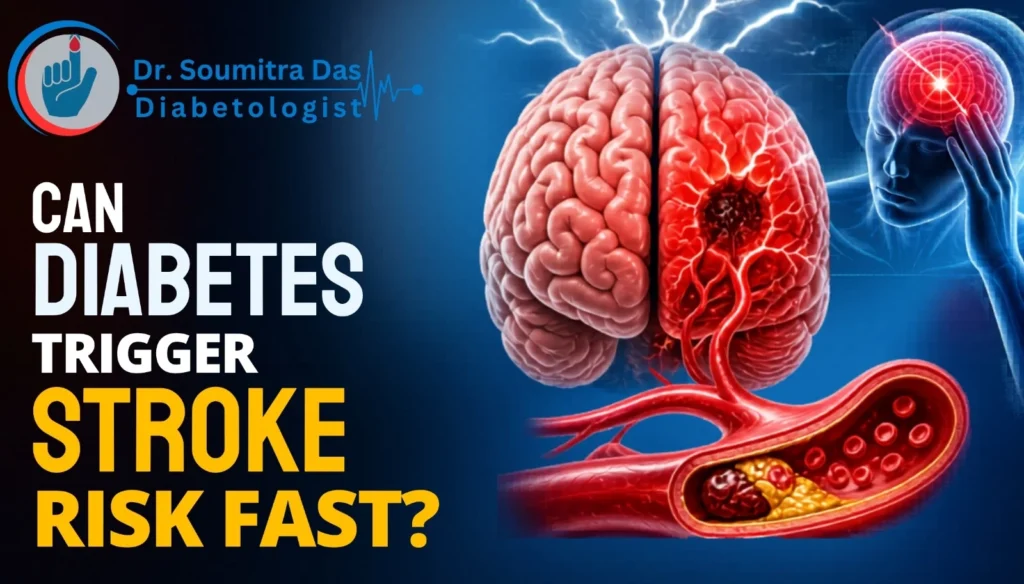
What is the Link Between Diabetes and Stroke?
How Does Diabetes Raise Stroke Chances?
Diabetes and high blood pressure silently damage blood vessels, increasing stroke risk. Consulting the best diabetologist in Kolkata and the best hypertension treatment doctor in Kolkata helps manage blood sugar, control BP, and prevent complications early with proper lifestyle, medication, and monitoring.
Diabetes affects how your body processes glucose, leading to excess sugar in the bloodstream. Over time, this damages blood vessels and nerves, making them more prone to blockage or rupture—key causes of stroke. When combined with hypertension, the risk multiplies significantly.
How does diabetes increase the chances of having a stroke?
High blood sugar levels cause inflammation and thickening of blood vessel walls. This restricts blood flow to the brain and increases clot formation. Additionally, diabetes often coexists with high cholesterol and hypertension, further elevating stroke risk.
Why is Hypertension a Major Risk Factor?
High blood pressure puts extra force on artery walls, weakening them. In diabetic patients, this condition accelerates vascular damage, increasing the chances of ischemic and hemorrhagic strokes. Early care from the best hypertension treatment doctor in Kolkata is essential.
Key Risk Factors to Watch
- Poor blood sugar control
- High blood pressure
- Obesity and sedentary lifestyle
- Smoking and alcohol consumption
- High cholesterol levels
Warning Signs of Stroke
- Sudden numbness or weakness
- Difficulty speaking or understanding speech
- Vision problems
- Severe headache
- Loss of balance or coordination
How Can You Prevent Stroke with Diabetes?
1. Maintain Blood Sugar Levels
Regular monitoring and medication help prevent vascular complications.
2. Control Blood Pressure
Keeping BP within a healthy range reduces stress on arteries.
3. Follow a Healthy Diet
Low-sugar, low-salt, and high-fiber foods improve heart and brain health.
4. Stay Physically Active
Exercise improves circulation and reduces insulin resistance.
5. Regular Check-ups
Consult the best diabetologist in Kolkata for early detection and prevention strategies.
Diabetes vs Stroke Risk
| Factor | Normal Condition | With Diabetes |
| Blood Vessel Health | Flexible & clear | Damaged & narrowed |
| Blood Flow | Smooth | Restricted |
| Clot Formation | Low risk | High risk |
| Stroke Probability | Moderate | Significantly higher |
Quick Answer
Diabetes increases stroke risk by damaging blood vessels, promoting clot formation, and often coexisting with hypertension and high cholesterol, which further restrict blood flow to the brain.
Why Choose Expert Care?
About Dr. Soumitra Das
Dr. Soumitra Das is known for comprehensive diabetes and hypertension care. With a patient-focused approach, he emphasizes early diagnosis, lifestyle correction, and advanced treatment to reduce stroke risks effectively.
FAQs
Q1: Can diabetes alone cause a stroke?
Yes, uncontrolled diabetes can damage blood vessels and increase stroke risk even without other conditions.
Q2: How can I reduce stroke risk if I have diabetes?
Control blood sugar, manage BP, eat healthy, exercise, and consult specialists regularly.
Q3: Is hypertension more dangerous with diabetes?
Yes, together they significantly increase the risk of stroke and heart disease.
Q4: How often should diabetics check for stroke risk?
Regular health check-ups every 3–6 months are recommended.
Q5: Who should I consult for prevention?
The best diabetologist in Kolkata and the best hypertension treatment doctor in Kolkata can guide proper prevention and care.
Final Word
Diabetes can indeed accelerate stroke risk, but it rarely acts as a sudden, isolated trigger. Instead, diabetes gradually damages blood vessels, increases inflammation, and promotes plaque buildup—key factors that raise the likelihood of a Stroke over time. However, when blood sugar levels become severely uncontrolled, the risk can escalate more rapidly, especially in combination with other conditions like hypertension, obesity, or high cholesterol.
The real danger lies in how silently diabetes progresses. Many individuals may not notice the cumulative harm until a serious event like a stroke occurs. This makes proactive management essential. Maintaining stable glucose levels, following a balanced diet, engaging in regular physical activity, and adhering to prescribed medications can significantly reduce complications. Regular health check-ups also play a crucial role in identifying early warning signs and managing coexisting risk factors.
In conclusion, while diabetes may not typically cause an immediate stroke, it can fast-track the conditions that make one more likely. Early intervention and consistent control are key to slowing this progression and protecting long-term brain and cardiovascular health. Awareness, prevention, and disciplined care remain the strongest defenses against this potentially life-threatening connection, you can know from best diabetologist in West Bengal.